The IMEI format explained
The first eight digits are the Type Allocation Code (TAC). They identify brand and model. The last digit is calculated with the Luhn algorithm so the number can be validated.

SafeUnlocks
Generate valid-looking IMEI numbers for testing and learning. Free, in the browser, no download.
If you need random IMEI numbers, this free tool creates millions of valid-format codes in one click. Pick a brand, generate, and use the result for tests. Below we explain how IMEI works and when this tool is appropriate.
IMEI stands for International Mobile Equipment Identity. It is a unique code assigned to every device that uses a SIM or eSIM. Networks, manufacturers, and authorities use it to know which device is on which network. That shared record is also how a stolen phone can be blocked.
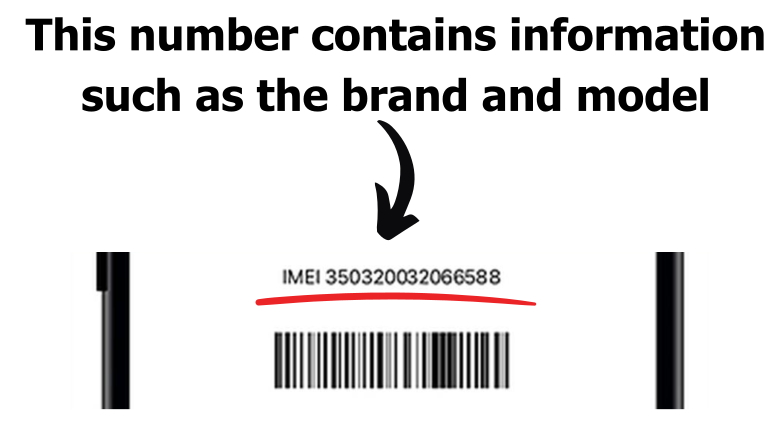
A typical IMEI is 15 digits. It encodes brand, model, and a check digit. Carriers and law enforcement share a global database so restricted or stolen devices can be flagged.
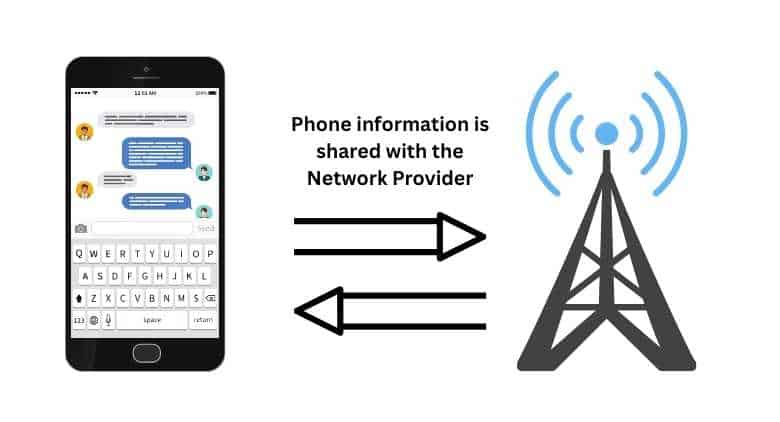
When a phone joins a network, the IMEI is sent to the carrier. That lets the network provide service, or cut access if the device was reported stolen.
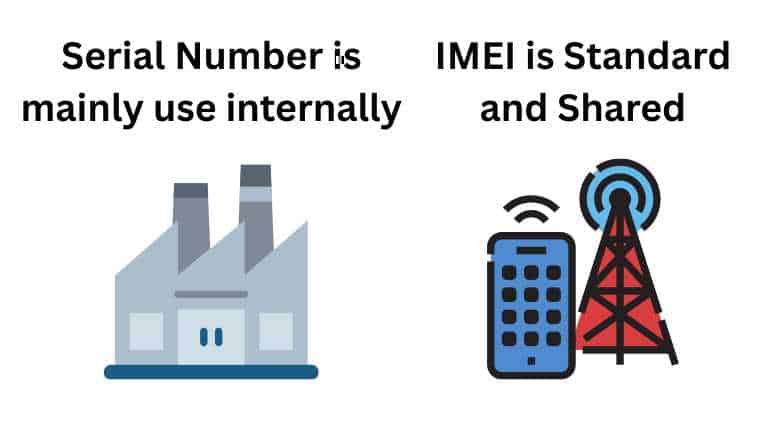
Networks read the IMEI. The serial number is mainly for the manufacturer, warranty, and repair. Serials can vary by brand. IMEI must follow a global standard.
IMEI numbers are not random. They follow allocation rules, carry manufacturer data, and use a check algorithm so each number is unique and verifiable.
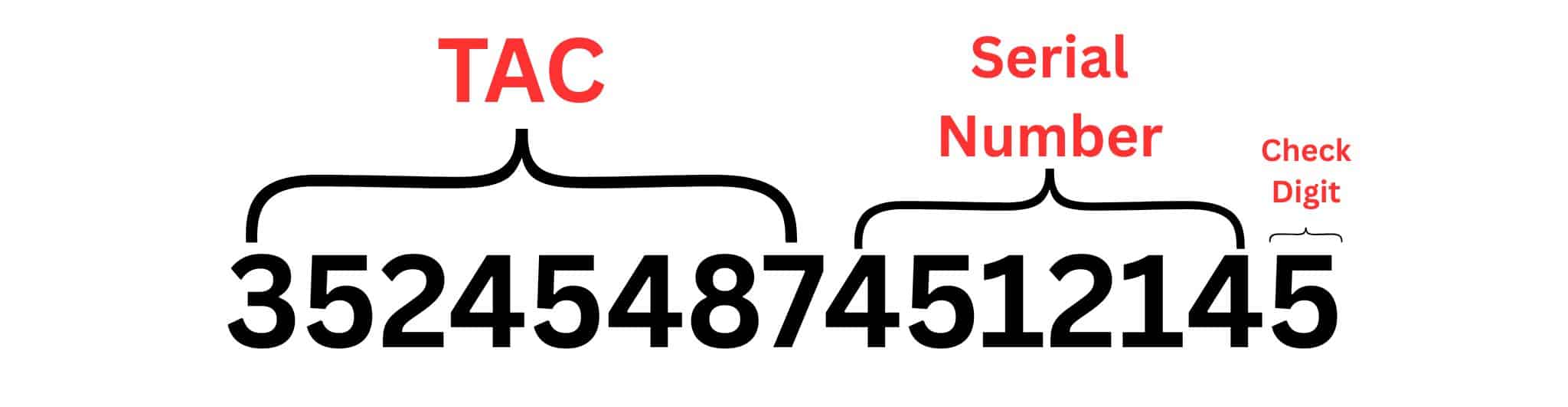
The first eight digits are the Type Allocation Code (TAC). They identify brand and model. The last digit is calculated with the Luhn algorithm so the number can be validated.
Luhn is a checksum used on many ID numbers. Networks use it to confirm an IMEI is mathematically valid. It does not create the IMEI. It only checks it.
The TAC sits in the first eight digits and points to a manufacturer and model family. Without it, a tester cannot reliably simulate Apple versus Samsung traffic.
This generator is for testers, educators, and developers. It builds valid-looking IMEIs from real TAC ranges plus a random serial and a Luhn check digit, so you can test without using a live phone identity.
The tool picks a real TAC for the brand you choose, adds a random six-digit serial, then applies Luhn for the check digit. The result can pass format checks without exposing anyone’s real device.
Interactive IMEI structure
Teams use dummy IMEIs to simulate real conditions without touching customer devices or private data.
Carrier-related apps often check IMEI before a feature opens. Dummy numbers let developers test those paths across brands.
Cybersecurity and networking courses use sample IMEIs to teach protocols, authentication, and device identity.
Testers generate large batches of dummy IMEIs to stress fraud models and data pipelines.
If a real device is flagged, compare trusted blacklist-removal providers.
See blacklist optionsSafeUnlocks is a comparison portal. We recommend third-party providers and may earn a commission. We do not process payments or perform unlocks ourselves.
The tool runs in the browser, follows Luhn, and does not store the numbers you generate. Use it as often as you need for tests.
Choose a manufacturer so tests can reflect the brand you care about.
Every number must pass the checksum so it behaves like a real-format IMEI in validators.
Yes. Pick a manufacturer so the TAC matches that brand. That is useful for more accurate tests.
It is valid in format and passes Luhn. It is not registered to a real phone and should not be treated as one.
Carriers usually reject or ignore numbers that are not in their database. Never use generated IMEIs to deceive a network.
No. They look real. They are not assigned to a physical device.
No. Generated IMEIs must not be used to bypass locks or commit fraud. That can be illegal and breaks our terms.